

What the New Congress Can and Can't Change for Feds
The election gives Democrats both chambers, but not until January 3, and most federal workforce rules and the pay freeze can't be changed by Congress alone.
Sources: U.S. Constitution, Article I and Amendment XX; Continuing Appropriations for FY2027 (P.L. 119-103).
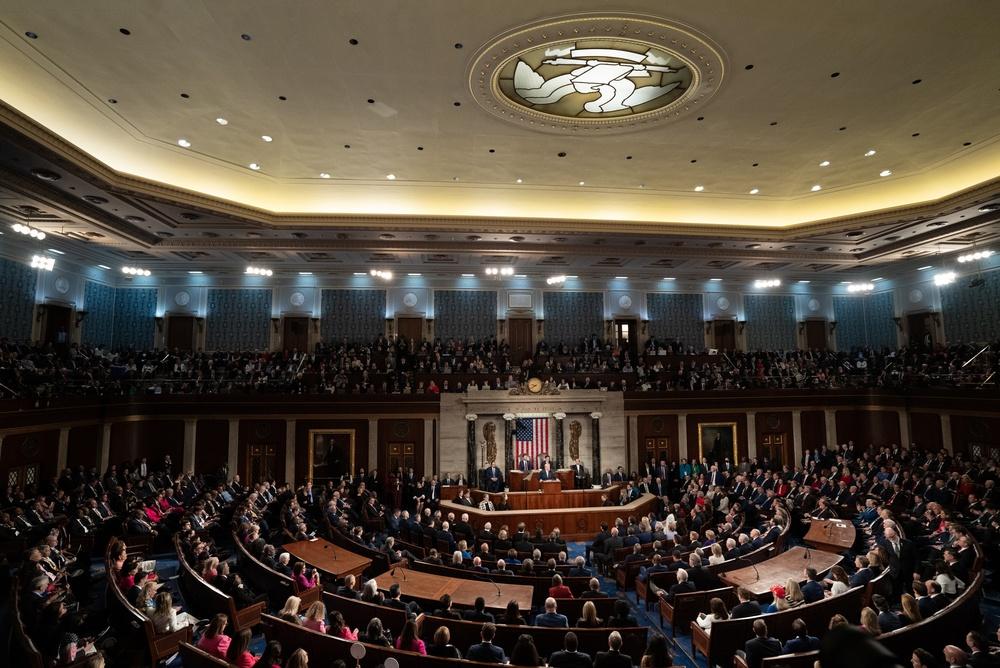
The Associated Press has called both chambers for Democrats. As of November 12, that is at least 55 Senate seats, and a House majority of more than 250 seats. The president remains a Republican, so anything Congress passes needs his signature or a two-thirds vote in both chambers to override a veto.
What Congress Can Change
- Spending law. Funding bills can add or continue restrictions on layoffs and reorganizations. A federal judge temporarily blocked USDA's reorganization in October, finding it likely conflicts with a restriction in current spending law.
- Oversight. Committees can hold hearings, request records, and question agency leaders on topics like OPM's data access, deferred resignation costs, and performance rating rules.
- Confirmations. The Senate votes on nominees, including to OPM, the MSPB, and the FLRA.
- Pay and benefits by statute. Congress can write a raise or a benefit change into law, again with the president's signature.
What it Can't Change on its Own
Most recent workforce changes are executive actions: OPM's RIF rules, probationary period rules, the 40% cap on top performance ratings, the administrative leave rule, and the end of time-in-grade, which takes effect January 19, 2027. A new majority can't reverse them without a law the president signs or a veto override, and the Senate's 60-vote threshold for most bills still applies. Court cases also continue independently.
When Could Anything Change?
| Date | What happens | Who decides |
| December 11 | Current funding expires | The current Congress and the president |
| Mid-to-late December | Executive order sets 2027 pay | The president |
| January 3 | The new Congress convenes | Set by the Constitution |
| January 10 | First pay period of 2027 begins | Not applicable |
| After January 3 | New committee leaders set agendas and hearings | The new majority |
Why the Pay Freeze is Unlikely to Change
On August 26, the president's alternative pay plan held base and locality pay at 2026 rates for most civilian employees, with 3.8% for law enforcement and 5% to 7% for the military. The rates become final when the president signs an executive order, which usually happens in mid-to-late December, before the new Congress is seated.
The push to change that is already underway. Rep. James Walkinshaw (D-Va.) says he will press for a raise in any deal to keep the government open past December 11. His starting point is the 4.1% in the FAIR Act, which combines a 3.1% across-the-board increase with about 1% in locality pay, and more than 100 lawmakers have asked for at least 3.8%. But Republicans still control Congress until January 3; House Appropriations rejected an amendment for a 3.1% raise plus 0.5% in locality pay in April on a 28-to-32 party-line vote, and the president would have to sign any raise.
If a funding deal doesn't get done until 2027, a raise could still be applied retroactively. This happened back in 2019, when a 1.9% raise enacted in February took effect back to January. A freeze does not stop within-grade increases or promotions, and FFEBA's pay guide explains how the annual adjustment works.
Frequently Asked Questions
When does the new Congress take office?
The new Congress convenes on January 3. Until then, the current Congress and the president decide what happens, including when current funding expires on December 11.
Can the new Congress reverse recent federal workforce rules?
Not on its own. Most recent workforce changes are executive actions. A new majority can't reverse them without a law the president signs or a veto override, and the Senate's 60-vote threshold for most bills still applies.
Will federal employees get a pay raise in 2027?
The president's alternative pay plan held base and locality pay at 2026 rates for most civilian employees. The rates become final when the president signs an executive order, which usually happens in mid-to-late December, before the new Congress is seated. Congress can write a raise into law, but the president would have to sign it.
Could a 2027 raise be applied retroactively?
Yes. If a funding deal doesn't get done until 2027, a raise could still be applied retroactively. This happened in 2019, when a 1.9% raise enacted in February took effect back to January.
Sources: Associated Press race calls (as of November 12, 2026); House Document 119-189, Alternative Plan for Pay Adjustments (August 26, 2026); 5 U.S.C. 5303 and 5304a; U.S. Constitution, Article I and Amendment XX; Congressional Research Service, Overview of Continuing Appropriations for FY2027 (P.L. 119-103); Consolidated Appropriations Act, 2019 (P.L. 116-6); OPM final rules and memoranda on RIFs, probationary periods, performance ratings, administrative leave, and time-in-grade.
Related guides